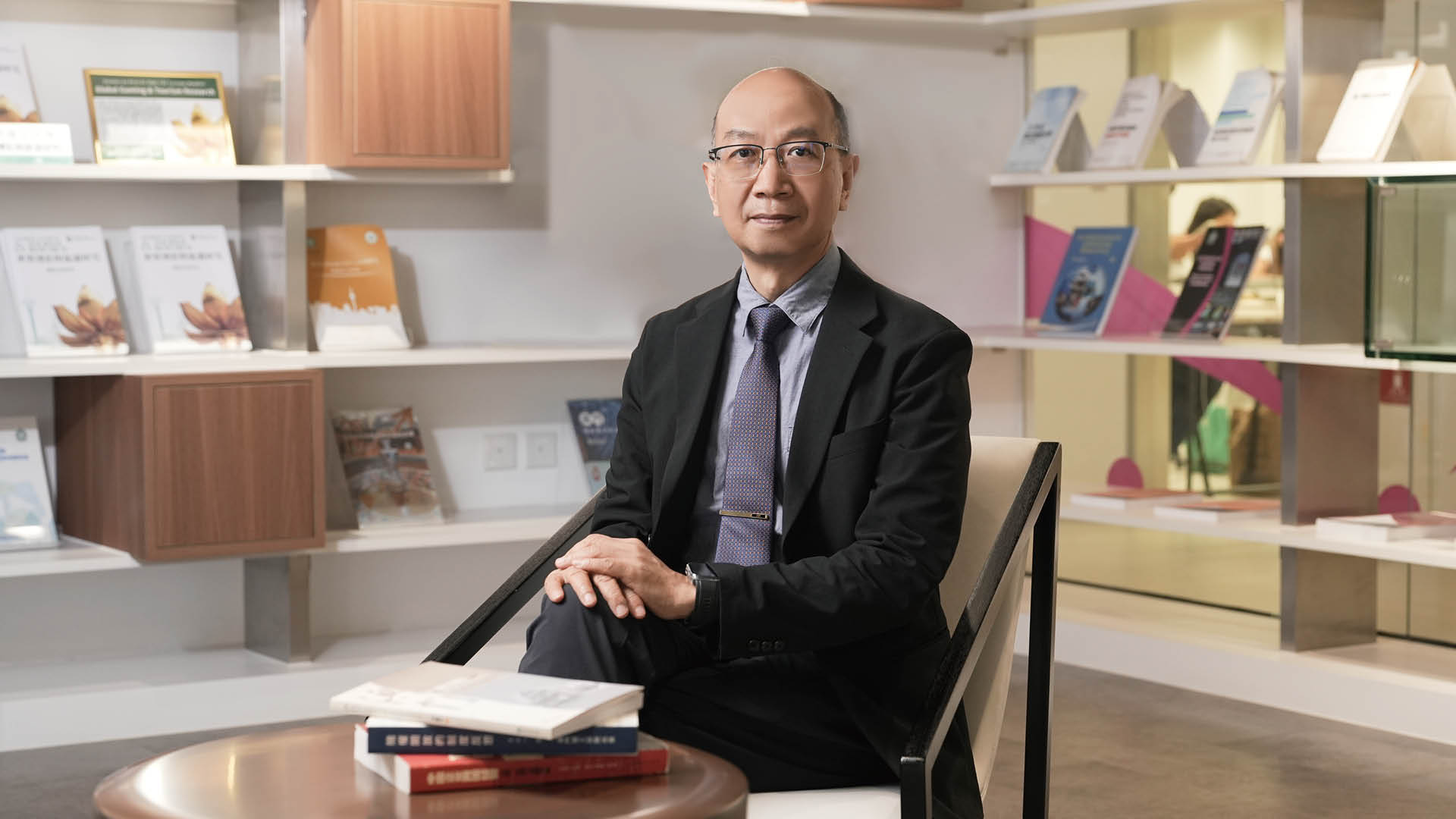
"The open road teaches what no library can contain," as a Chinese proverb goes. For Professor Ivan Ka-Wai Lai, travel and scholarship share the common allure: the vast unknown and the thrill of discovery. Every journey becomes a wellspring of ideas, transformed into research that resonates long after the trip ends.
A leading scholar at the Centre for Gaming and Tourism Studies, Professor Lai appears regularly on Stanford University's list of the world's top 2% scientists, a global recognition earned through nearly a hundred papers published in SSCI / SCI indexed journals. His expertise lies in tourism research methodology. Yet his inspiration often begins with simple observations on the road. A fleeting moment during travel can spark questions that grow into rigorous academic inquiry. How do travel experiences evolve into forward-looking studies? Join us as we uncover the warmth and depth behind Professor Lai's research.
Turning Journeys into Science
Professor Ivan Ka-Wai Lai's office shelves tell a story: souvenirs from across the globe, each carrying a scholarly memory. A poster from Kenya sparks reflections on sustainable tourism, while a small figure of Macao's mascot, "Mak Mak", connects to ideas about AI-driven cultural ambassadors. For most people, travel brings memories; for Professor Lai, it brings research questions.
Over two decades in academia, Professor Lai has served at multiple universities and mentored countless young scholars in tourism research. To him, travel is both classroom and laboratory. Each journey, near or far, becomes an opportunity to reflect, observe, and ask new questions that shape future studies. One such moment came during a trip to Guangdong, where Professor Lai noticed a growing trend: tourists travelling with pets. That simple observation evolved into a pioneering study on "pet tourism economy", influencing both academic discourse and industry practices.
Decoding Postmodern Tourism
Postmodern tourism has become one of Professor Lai's major research areas in recent years. Viewed through the lens of cultural theory, he notes that "postmodern tourists" today embrace spontaneity and seek diversity, a style of travel that questions and reshapes the conventions of traditional tourism. "Their only constant," Professor Lai remarks with a smile, "is an unwavering love of change." To engage this dynamic segment, factors such as cross-cultural values and shared lifestyles become central to creating experiences that truly resonate.
From traditional group tours to independent trips and even spur-of-the-moment journeys, travel styles and traveller mindsets are constantly evolving. Professor Lai recalls a past visit to Taiwan's Gaomei Wetlands with his students: as dusk approached, everyone lingered quietly, reluctant to leave, simply sitting together to watch the sunset. For him, that moment perfectly captured the essence of "quality travel". "In the past, tourists often focused on the number of trips and shopping experiences; today, they value depth of experience and a sense of everyday life." Creating memorable travel experiences, he adds, is about winning hearts, making visitors want to stay a little longer and come back again.
A Global Stage for Tourism Research
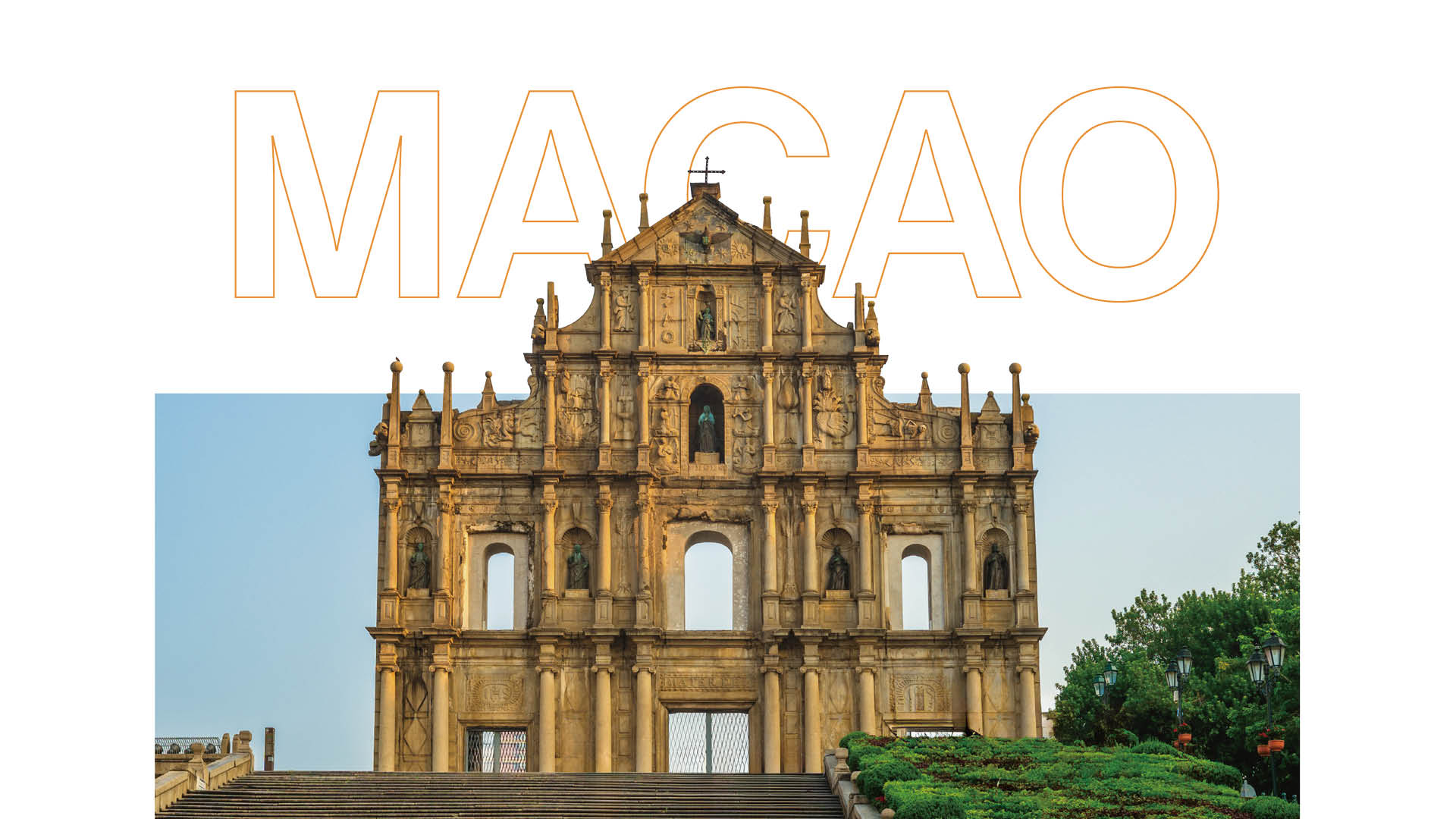
Macao's tourism industry is undergoing a strategic transformation towards diversification and sustainable development. This evolution positions the city as a unique hub for global tourism research. Professor Lai notes that Macao's role as a crossroads of Eastern and Western cultures creates a dynamic environment for cross-cultural interactions and diverse traveller experiences, offering unparalleled opportunities for research and innovation. Building on this advantage, Macao Polytechnic University is advancing tourism management research with global impact. By fostering strong academia-industry partnerships worldwide, MPU drives innovation and knowledge exchange across borders. Through initiatives such as co-publishing the scholarly journal Global Gaming and Tourism Research, the University provides evidence-based insights that support policy-making and guide strategic development in the tourism and gaming sectors.
As coordinator of the DBA programme, Professor Lai observes a growing diversity among postgraduate students, with an increasing number from across the Greater Bay Area choosing Macao for further studies. "Students no longer need to cross continents for an international education experience," he explains. "Here, they can engage in collaborative research through MPU's global academic partnerships and gain valuable experience publishing in leading international journals, opportunities that significantly strengthen their professional development." Amid the rapid evolution of higher education in the Greater Bay Area, MPU is actively expanding its educational resources across the region. This strategic commitment aims to cultivate professionals with global vision and practical expertise, driving sustained momentum for regional development.
Research for a Better Tomorrow
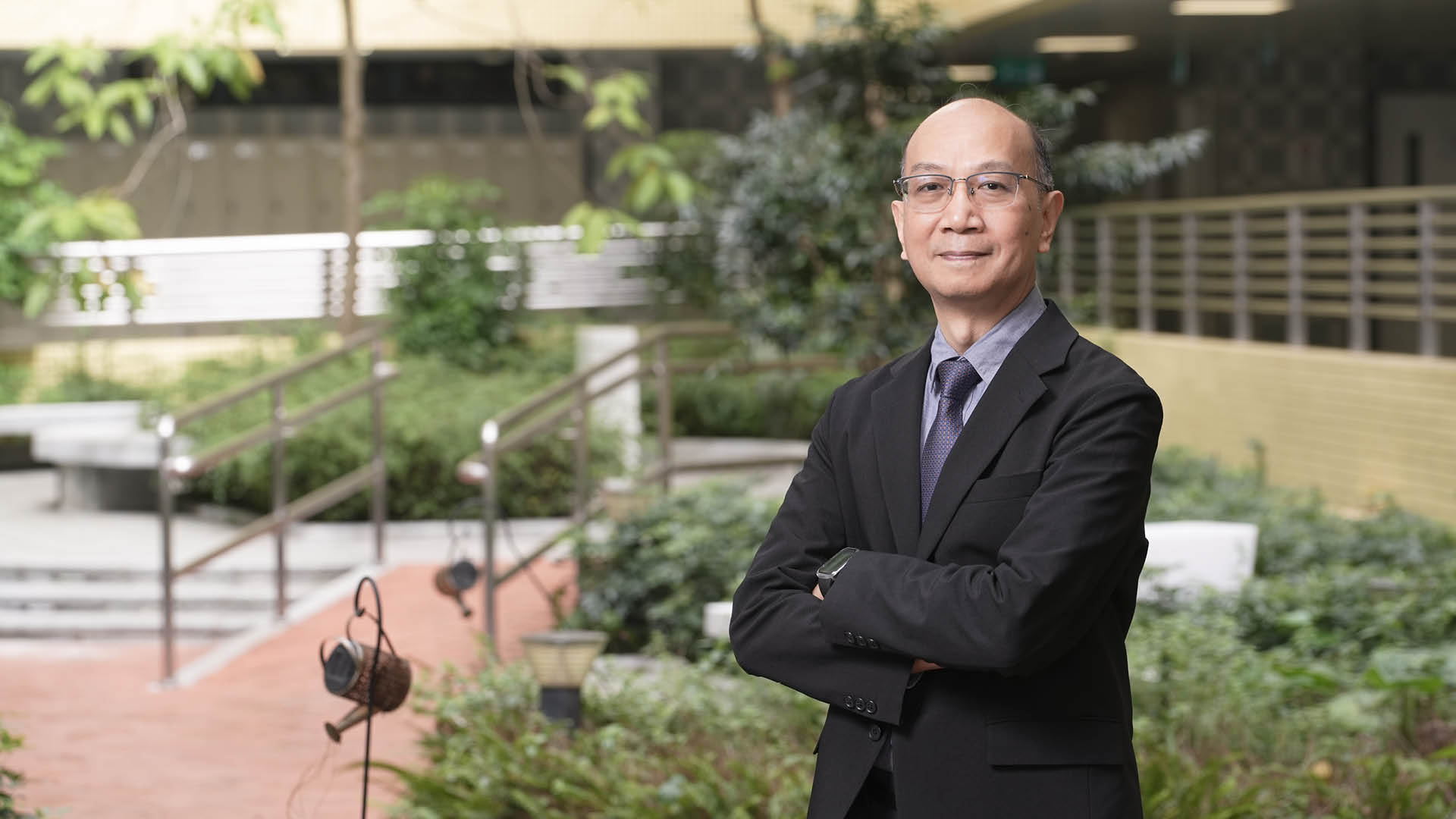
In Professor Lai's office, the most eye-catching spot is adorned with a large poster of the United Nations' 17 Sustainable Development Goals, a keepsake brought back from Kenya by one of his PhD students. It perfectly reflects his current research focus: sustainable tourism. To him, everyone deserves the joy of exploring the world. His latest work examines the travel needs of diverse gender groups and individuals with social challenges, aiming to create journeys that feel warm and inclusive for all.
"What I want to do is research that makes people happy," Professor Lai says, his voice steady yet warm, revealing a deep sense of purpose. His aspiration is to generate value for the public, spark meaningful reflection, and drive real social change. He sees academia as a thread connecting scholars with communities, a channel for dialogue that matters. For him, the true essence of scholarship lies in work that brings tangible benefits to people's wellbeing. That, he believes, is the ultimate goal of research.
Guardian of Maternal Wellbeing
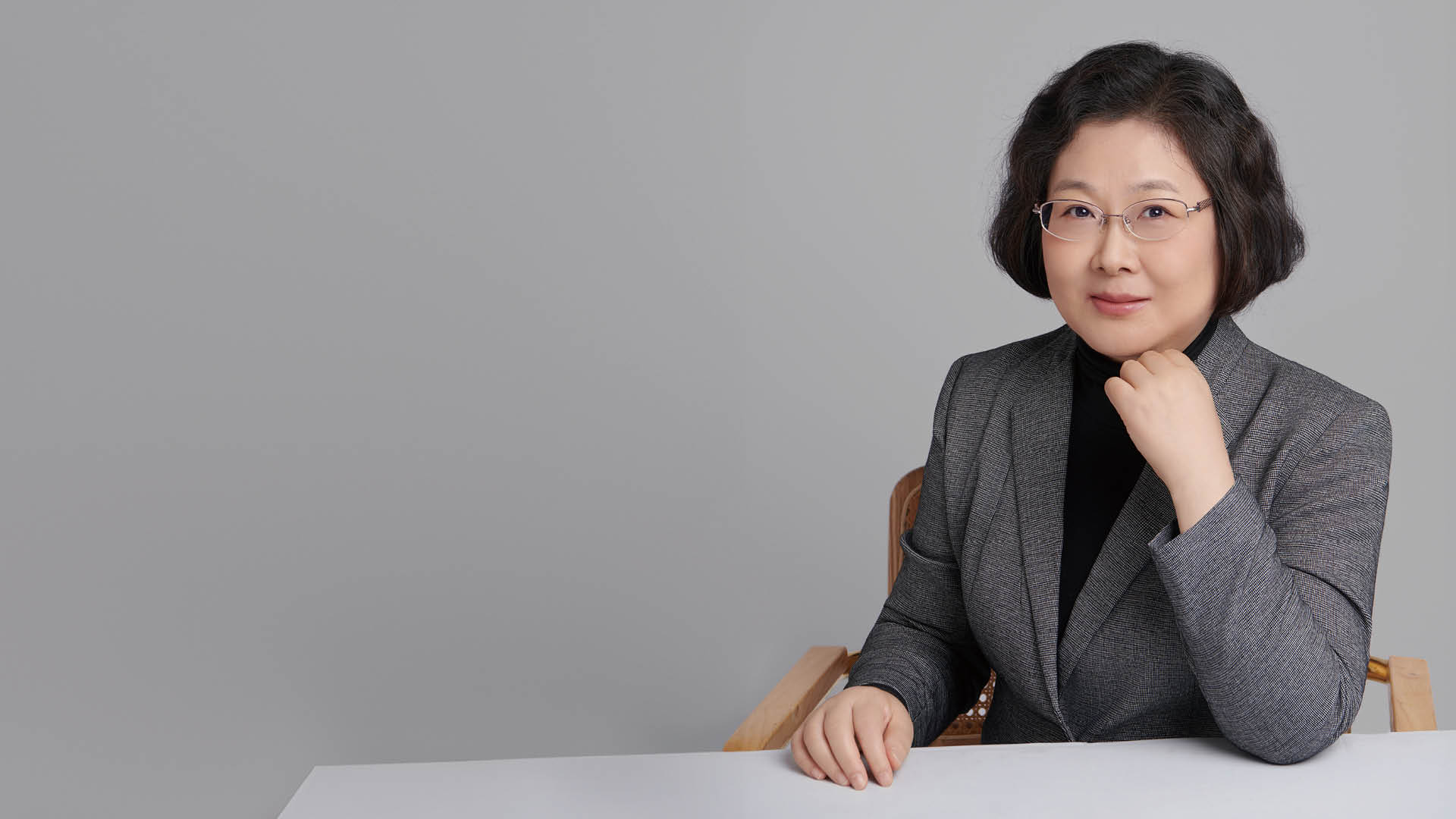
An Interview with Nursing Scientist Professor Gao Lingling