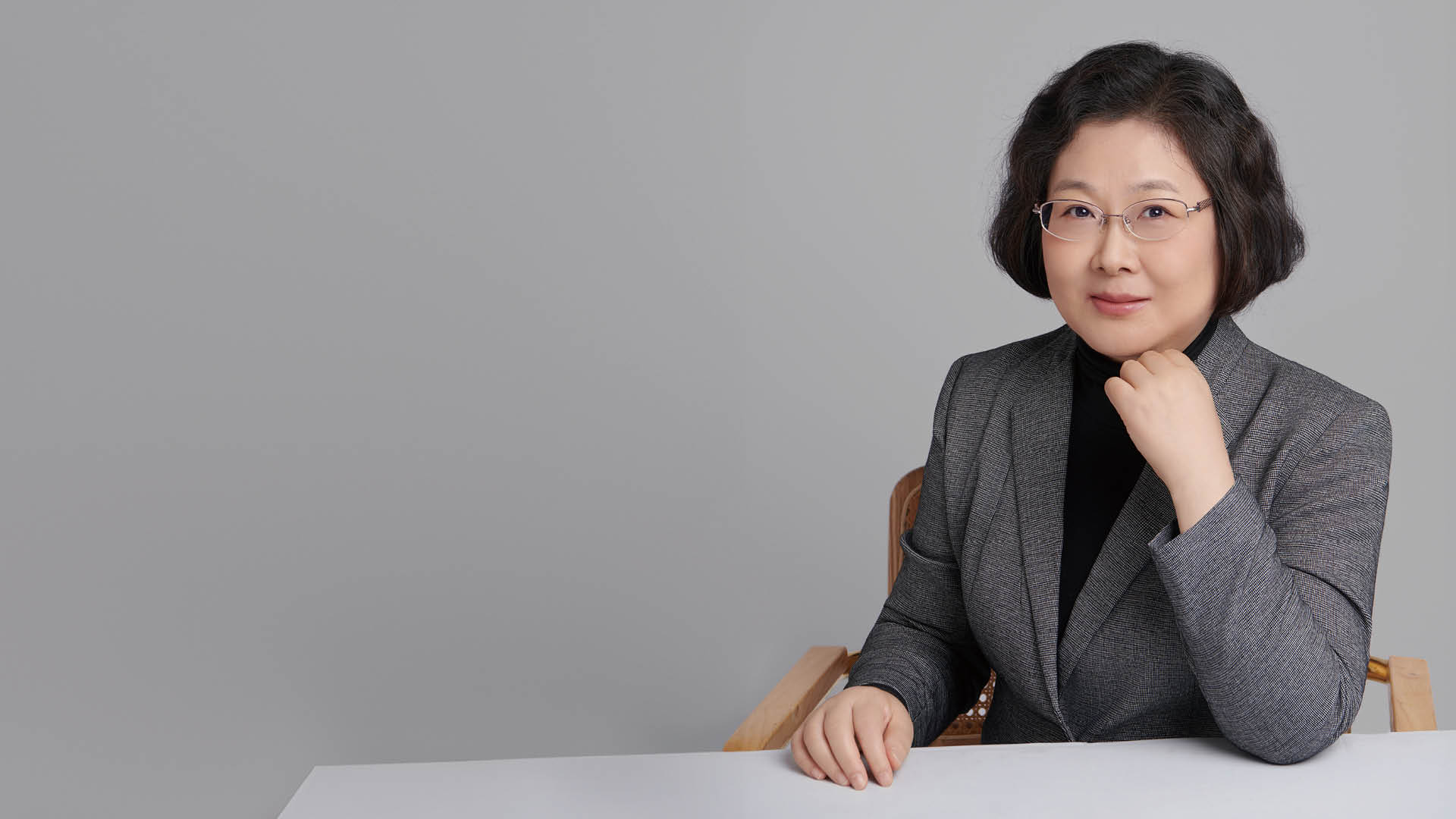
"My mother is a doctor, and I always dreamed of becoming one." Decades later, she wears a white coat, but instead of wielding a scalpel, her hands bring comfort and strength to those in need. What started as an unexpected detour during university years became a lifelong mission. From bustling obstetric wards to the global stage, Professor Gao Lingling has redefined how the world views nursing. Recognised as one of China's Most Cited Researchers for ten consecutive years and listed on Stanford University's top 2% scientists in the world, she has elevated nursing from a traditional caregiving role to a discipline driven by evidence-based practice and innovation. Her WHO-endorsed design for perinatal mental health interventions exemplifies nursing as a science of safeguarding both body and mind, offering a true China solution with global impact.
An Unexpected Journey to Nursing
"When I filled out my university application, I never imagined nursing would be my future," says Professor Gao Lingling. In 1988, she scored exceptionally well in the national examination, aiming for medical school. But because she had ticked the box for "accept reassignment", fate had other plans – she was placed in the Nursing Department at Sun Yat-sen Medical University. "At that time, nursing was considered a less popular choice," she recalls. "Our class had 28 students, almost all top scorers who were reassigned." Back then, China's higher nursing education was just beginning, and she became part of its third cohort of nursing undergraduates. Her mother, a doctor, felt a tinge of regret. "Whenever she mentioned my major, she sounded disappointed," Professor Gao says. That disappointment became her motivation: "I wanted to prove I could excel in nursing."
After graduation, Professor Gao joined the obstetrics and gynaecology department of a university-affiliated hospital, rising from clinical nurse to head nurse. Four years in obstetric care taught her that nursing is not only a technical skill but also an art of understanding and compassion. Later, she moved into academia, pursuing advanced studies in the US, Australia, and beyond. Combining international theories with local practices, Professor Gao practised the philosophy of "from the ward, back to the ward", using evidence-based research to improve clinical care quality. Today, the scholar who once missed medical school has become a globally renowned scientist, leading national projects and driving China's nursing discipline onto the global stage. She smiles, "My mother finally thinks nursing was a good choice."
Rebuilding Perinatal Psychological Resilience
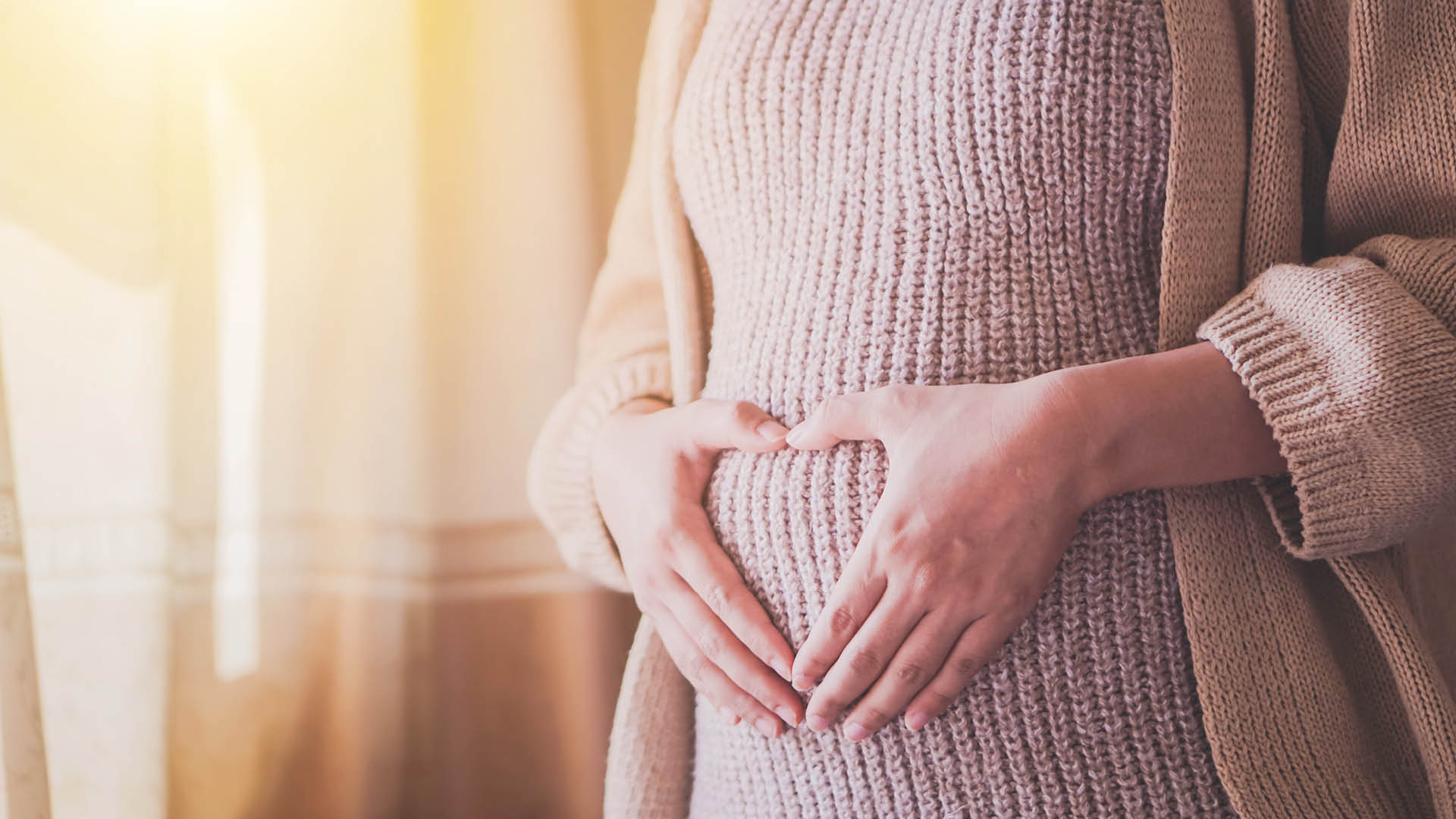
"When I worked in obstetrics, I realised that mental health issues among pregnant and postpartum women were far more serious than imagined, and yet there were no systematic interventions at the time," says Professor Gao Lingling. Her clinical background gave her a deep understanding of the core value of nursing and the real needs of mothers. This insight drove her from the ward to the research lab, where she introduced western interpersonal psychotherapy into perinatal care for Chinese women. Innovatively, she integrated Chinese traditional postpartum practices into her design, creating a unique intervention model that transforms potential family conflicts into sources of social support.
"Many mothers have a rosy fantasy about motherhood, always wanting to be a perfect mom. But in reality, they often feel they're only scoring sixty out of a hundred. We need to help them understand, that's okay." This acceptance becomes the first step toward rebuilding psychological resilience. Professor Gao designed prenatal education programmes that teach parents, during mid-to-late pregnancy, how to lower unrealistic expectations and develop communication skills, turning stressors like in-law relationships into supportive forces. This interpersonal-focused intervention model has not only adopted by scholars in the US and Canada but also recommended by the World Health Organization. Related publications have become essential reading in maternal health research worldwide.
Protecting Patients and Caregivers' Wellbeing
Professor Gao Lingling's work goes far beyond the ivory tower; it reaches into clinical practice and touches the human heart. In collaboration with the Second Affiliated Hospital of Sun Yat-sen University, she has focused on women experiencing recurrent miscarriage. These women face immense psychological pressure during early pregnancy, yet often struggle to express their feelings and lack social support. "We designed audio programmes featuring breathing exercises and mindfulness meditation to guide self-awareness and alleviate trauma-related anxiety," Professor Gao explains. She also recommended that hospitals introduce grief counselling services, including farewell rituals for families after miscarriage, to help them process emotions and cope with loss. These seemingly simple interventions have proven highly effective, significantly improving patient-caregiver relationships and the overall quality of care.
Her concern extends beyond patients to the nursing staff working under stress. "Emotions are contagious," Professor Gao emphasises. The anxiety of women with recurrent miscarriages can sometimes spill over onto nurses. She advocates for psychological support for caregivers: "To help patients, we must first help those who care for them." By sharing her research findings with clinical nurses, she enables them to understand the emotional roots of patients' reactions, equipping them to manage work-related stress more effectively. This knowledge empowers nurses to respond with greater empathy and resilience, truly realising her vision of research that truly serves.
Keeping and Passing the Torch
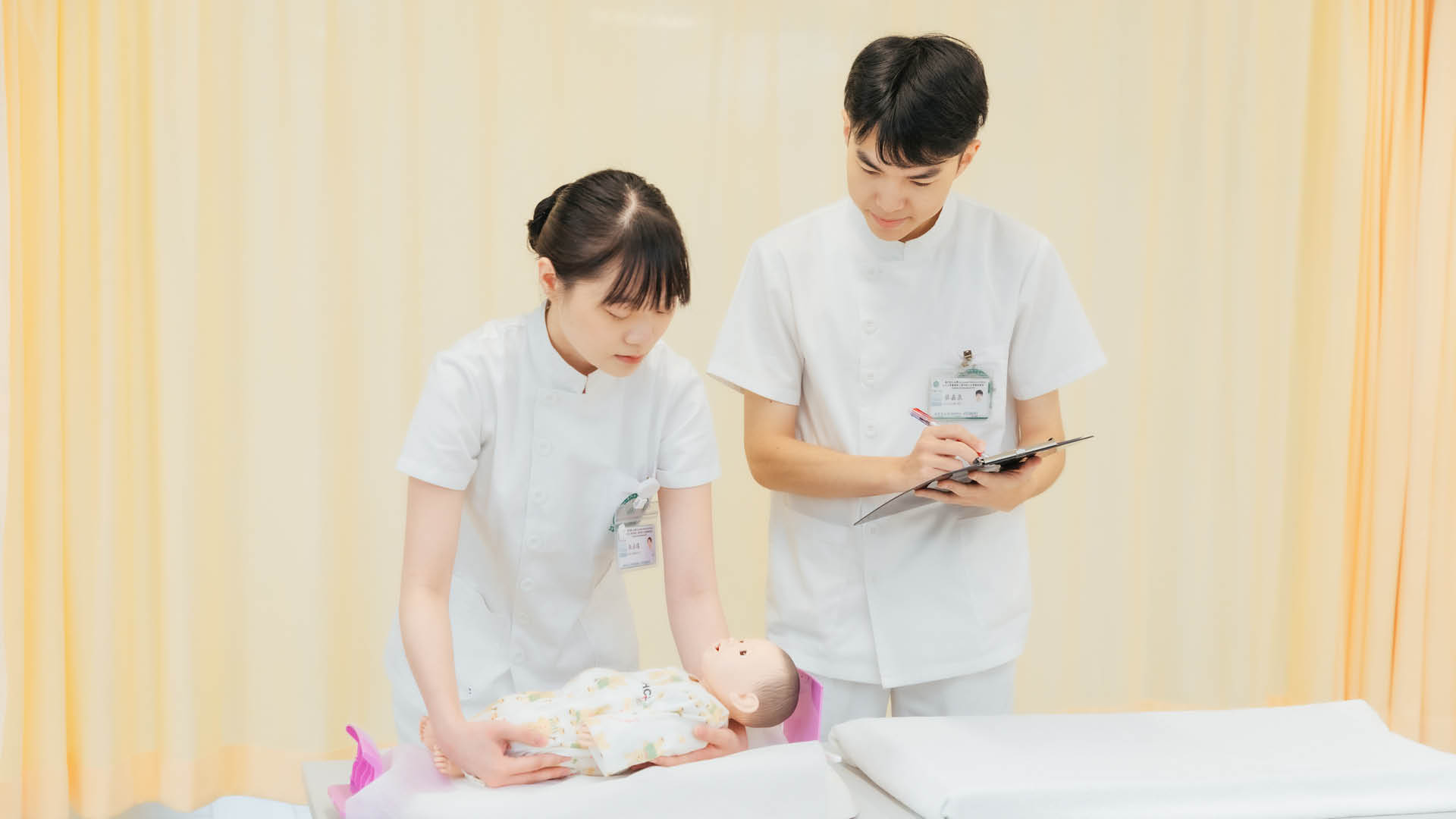
Professor Gao Lingling is a trailblazer in China's higher nursing education, a mentor whose influence reaches far beyond the classroom. Her students have gone on to become hospital nursing directors, vice presidents, and thought leaders shaping the future of healthcare. This legacy of talent is as precious as her ground-breaking research. "I hope to inspire students to learn and help them maximise their strengths," she says with conviction. For decades, guided by the principle of personalised teaching, Professor Gao works tirelessly to spark curiosity and ignite a passion for research, ensuring the spirit of professionalism continues to thrive in every new generation of nursing professionals.
Her forward-thinking vision aligns perfectly with the nursing programme at Macao Polytechnic University, which actively explores interdisciplinary development with artificial intelligence. This ambition prompted her bold move to Macao: "I've always had a restless spirit. I wanted a new environment to challenge myself again." Professor Gao values MPU's humanistic atmosphere and interdisciplinary culture and looks forward to advancing research that integrates nursing, wellness, and AI, contributing to Macao's growing health industry with decades of teaching and research experience.
Professor Gao has devoted her life to nursing education and research, an extraordinary journey of dedication. "I want more people to see that nursing is not a subsidiary of medicine, but an independent and powerful science." This conviction defines her life's work: a story of perseverance and a reflection of a generation driving the evolution of the nursing profession. On this new stage at MPU, she continues to blend science with compassion, shaping a future where nursing is not only advanced but profoundly human.
When Travel Becomes Research
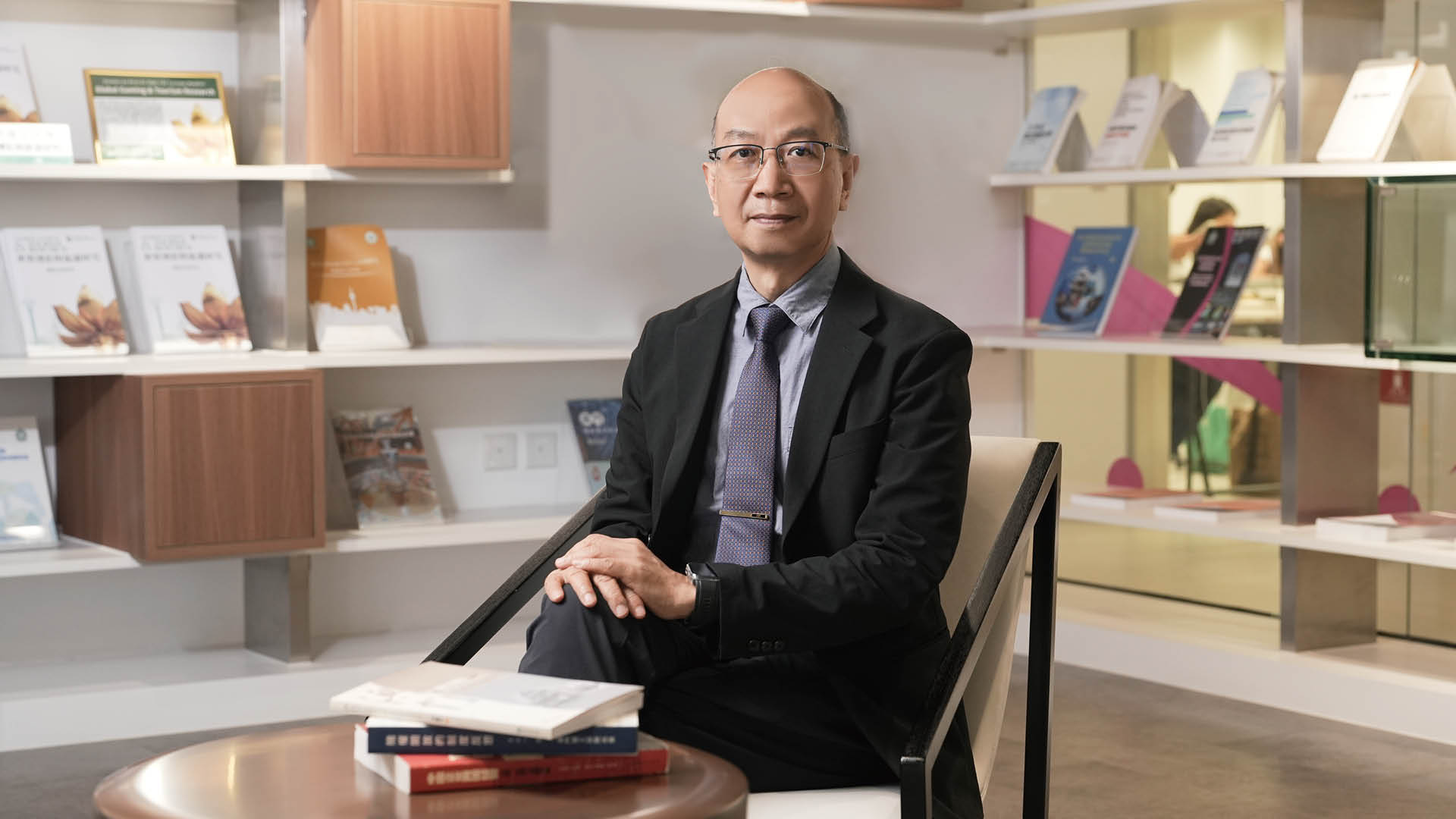
An Interview with Tourism Scholar Professor Ivan Ka-Wai Lai